Smart Thermostats
Key Takeaways
- Smart thermostats enhance energy efficiency and save on utility bills.
- Features include remote access, learning capabilities, and integration with other smart devices.
- Installation can often be DIY-friendly, but professional help may be needed for complex systems.
- Compatibility with existing HVAC systems varies, so check specifications before purchasing.
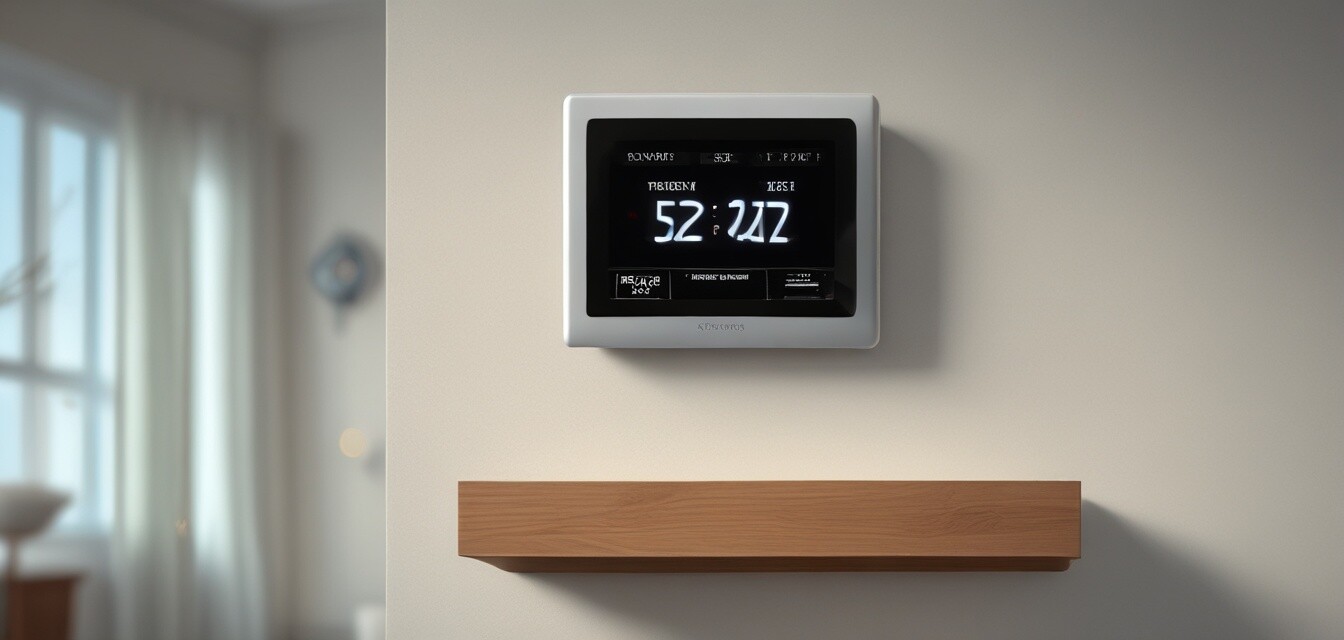
Smart thermostats are revolutionizing the way we manage our home climate. By utilizing advanced technology, they not only provide convenience but also contribute to energy efficiency. In this article, we'll analyze the latest smart thermostats available, exploring their features, benefits, and why they should be a staple in every energy-conscious home.
What is a smart thermostat?
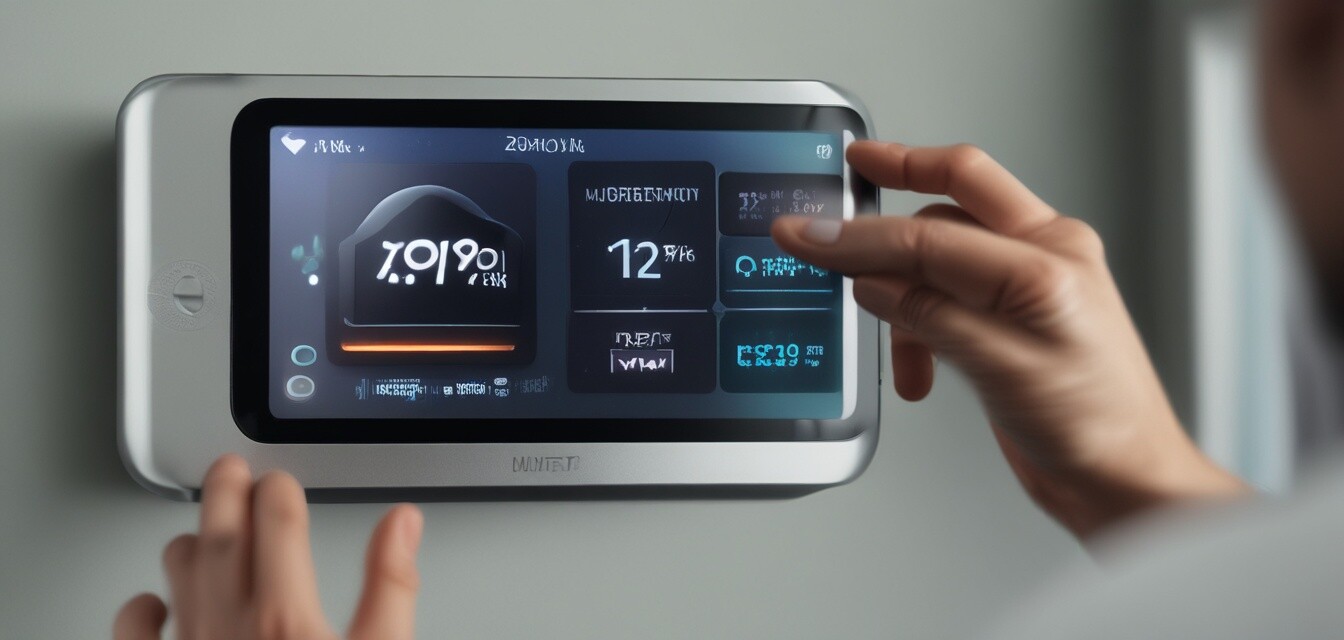
A smart thermostat is a device that connects to your home Wi-Fi network, allowing you to control your heating and cooling systems remotely via a smartphone app. Unlike traditional thermostats, these devices can learn your schedule and preferences, automatically adjusting temperatures to optimize comfort and efficiency.
Benefits of using smart thermostats
- Energy Savings: Smart thermostats can significantly reduce energy consumption by adjusting temperatures based on your habits.
- Remote Control: You can adjust your home’s temperature from anywhere using your smartphone.
- Learning Capabilities: Many models learn your behavior and adjust settings accordingly for optimal comfort.
- Integration: They often work with other smart home devices, allowing for seamless automation and control.
Features to look for in a smart thermostat
When considering a smart thermostat, here are some essential features to keep in mind:
| Feature | Description |
|---|---|
| Wi-Fi Connectivity | Allows remote access through a smartphone app. |
| Learning Capability | Adjusts settings based on your habits and preferences. |
| Compatibility | Ensures it works with your existing HVAC system. |
| Energy Reports | Provides insights on energy usage to help save on bills. |
| Voice Control | Works with virtual assistants like Alexa or Google Assistant. |
Types of smart thermostats
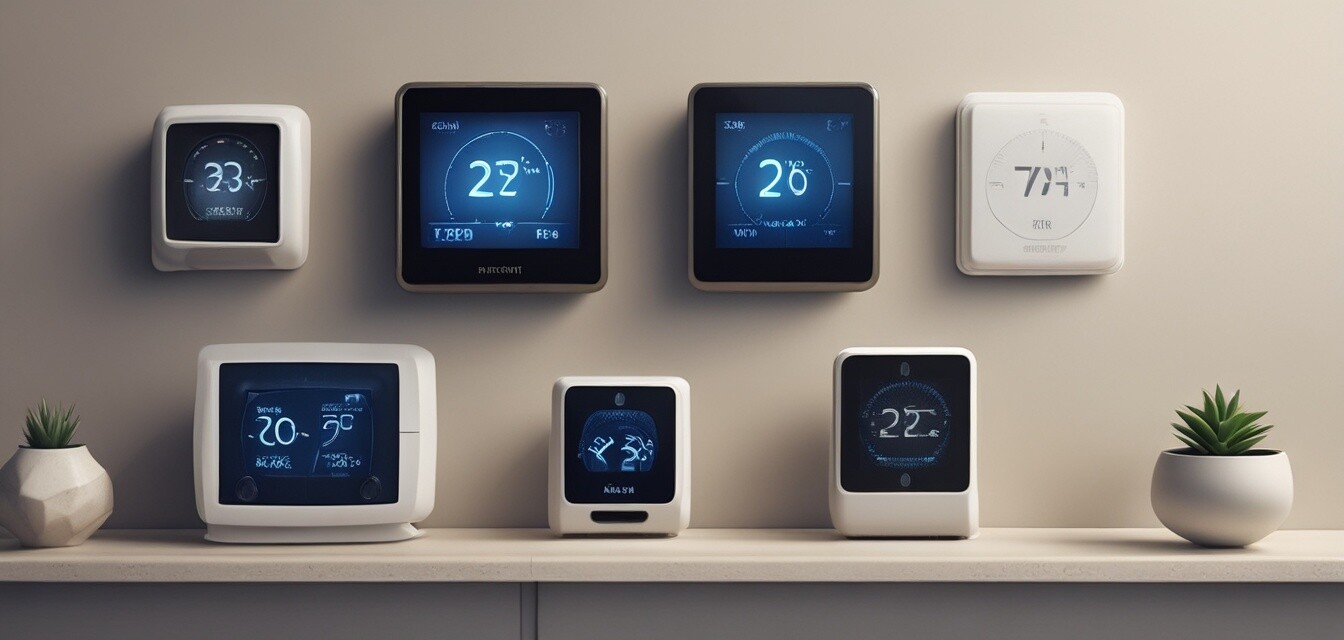
Smart thermostats come in various types, each suited for different needs:
- Learning Thermostats: These adapt to your schedule over time.
- Wi-Fi Thermostats: Allow remote access but may not have learning capabilities.
- Smart Thermostat with Sensors: These use additional sensors to optimize heating and cooling in different rooms.
Installation and setup
Installing a smart thermostat can be straightforward, but it may depend on your existing HVAC setup. Here are the general steps:
- Turn off your HVAC system for safety.
- Remove the existing thermostat and take a picture of the wiring for reference.
- Connect the wires to the smart thermostat according to the provided instructions.
- Mount the thermostat to the wall and turn the power back on.
- Follow the app setup instructions to connect your thermostat to Wi-Fi.
Common issues and troubleshooting
While smart thermostats are generally reliable, you may encounter some issues. Here are common problems and tips for troubleshooting:
| Issue | Potential Solution |
|---|---|
| Wi-Fi connectivity issues | Check your Wi-Fi signal strength and restart your router. |
| Temperature settings not adjusting | Ensure the thermostat is properly programmed and check for updates. |
| Battery problems | Replace the batteries if applicable or check the wiring connections. |
Conclusion
Smart thermostats are a valuable investment for anyone looking to enhance the efficiency of their home. By providing convenience, energy savings, and comfort, they are essential tools in modern smart homes. Whether you're considering your first smart thermostat or looking to upgrade, understanding the features and benefits will help you make an informed decision.
Pros
- Significant energy savings on utility bills.
- Convenient remote access and control.
- Ability to learn and adapt to your habits.
- Integration with other smart home devices.
Cons
- Initial cost can be higher than traditional thermostats.
- Compatibility issues with some HVAC systems.
- Requires Wi-Fi for full functionality.
- Setup can be complex for some users.
Additional resources
For more information on smart home devices, check out our other pages: