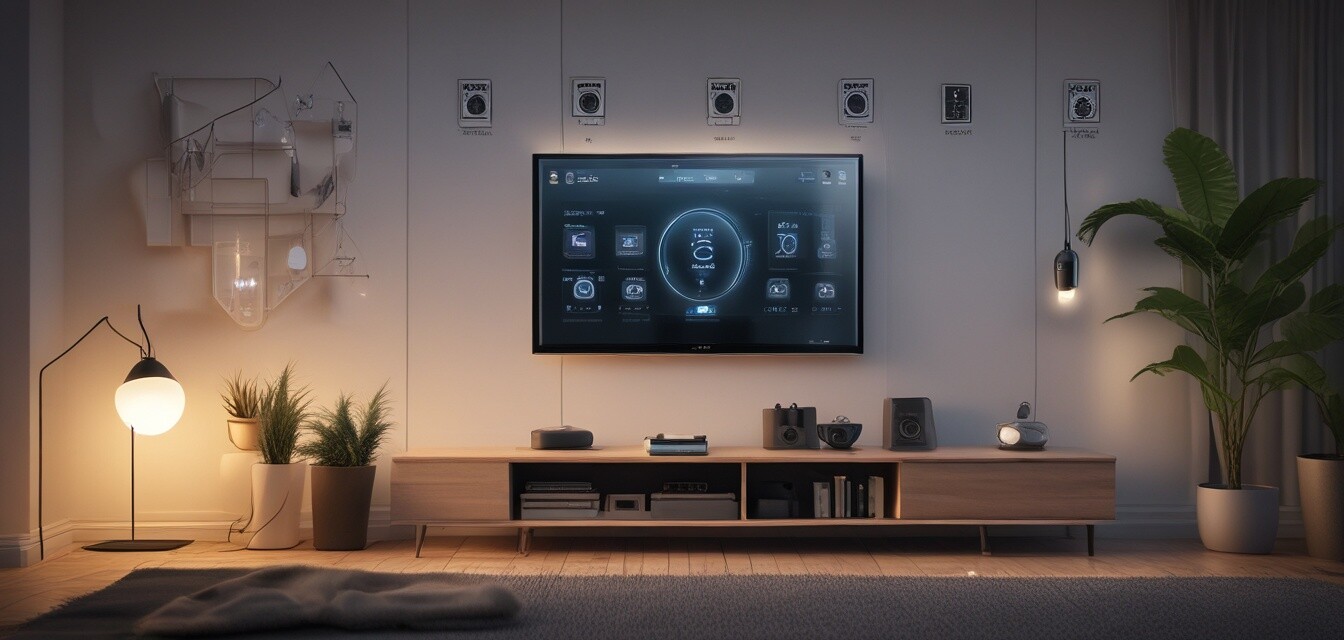
Smart Plugs and Outlets
Key Takeaways
- Smart plugs and outlets enhance energy efficiency.
- They offer remote control through smartphone apps.
- Integration with smart home systems is seamless.
- Scheduling and automation features simplify daily routines.
- Monitoring energy usage helps in cost savings.
Smart plugs and outlets are revolutionizing how we manage our power consumption at home. With the ability to control devices remotely, schedule operations, and monitor energy usage, these gadgets are not just convenient but also contribute to energy efficiency. In this article, we will explore the functionalities, benefits, and setup of smart plugs and outlets.
What are smart plugs and outlets?
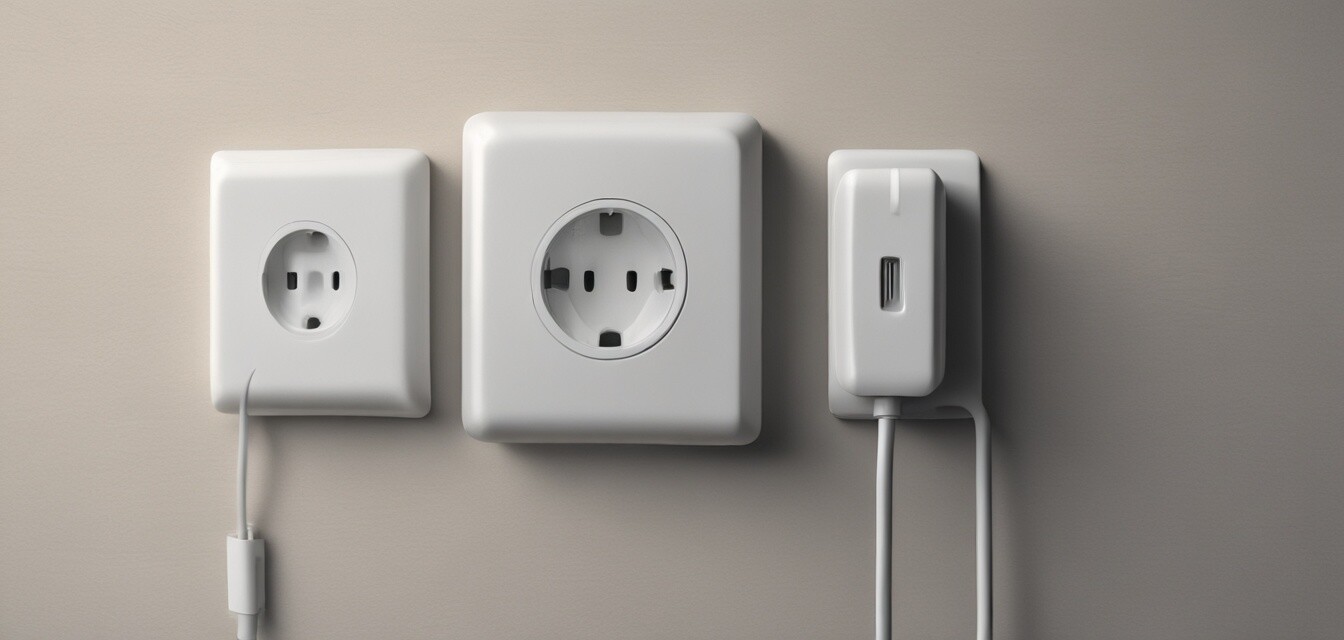
Smart plugs are devices that allow you to control regular electrical appliances via a smartphone app or voice commands. They plug into a standard outlet, and then you can connect your appliances to them. Smart outlets, on the other hand, are built directly into your wall and offer similar features but integrate seamlessly into your home’s electrical system.
How do smart plugs and outlets work?
Smart plugs and outlets connect to your Wi-Fi network, enabling communication between your devices and your smartphone or smart home hub. Most smart plugs and outlets are compatible with popular smart home ecosystems like Amazon Alexa, Google Assistant, and Apple HomeKit.
Benefits of using smart plugs and outlets
Pros
- Remote control of appliances
- Energy monitoring capabilities
- Scheduling for automatic operation
- Integration with smart home devices
- Enhanced security features
Cons
- Dependence on Wi-Fi connectivity
- Initial setup may be complicated for some users
- Compatibility issues with certain devices
- Potential security risks if not configured properly
Types of smart plugs and outlets
Smart plugs and outlets come in various types, catering to different needs and preferences. Below are some common types:
| Type | Description |
|---|---|
| Wi-Fi Smart Plugs | Connect directly to your Wi-Fi network for easy control via an app. |
| Bluetooth Smart Plugs | Connect via Bluetooth, typically with a shorter range but no need for Wi-Fi. |
| Smart Outlets | Replaces traditional outlets and connects to Wi-Fi for seamless integration. |
| Energy Monitoring Smart Plugs | Tracks energy usage and provides insights via an app. |
How to set up smart plugs and outlets
Setting up smart plugs and outlets is usually straightforward. Follow these steps for a successful installation:
- Choose a suitable location for your smart plug or outlet.
- Plug in the smart plug or install the smart outlet.
- Download the respective app on your smartphone.
- Create an account and connect the app to your Wi-Fi network.
- Add the smart plug or outlet to your app by following the on-screen instructions.
- Start controlling your devices!
Energy management with smart plugs and outlets
One of the most significant advantages of smart plugs and outlets is their ability to help you manage energy consumption. By monitoring which devices consume the most power, you can make informed decisions to reduce costs and improve energy efficiency. Some smart plugs even allow you to set energy usage limits and receive alerts when these limits are approached.
Using smart plugs for automation
Automation is another great feature offered by smart plugs and outlets. You can create schedules for your devices to turn on and off at specific times, ensuring that appliances are not left on unnecessarily. For example, you can set your coffee maker to brew coffee every morning at 7 AM without needing to remember to turn it on manually.
Smart plugs and outlets in security
Smart plugs and outlets can also enhance your home's security. By scheduling lights to turn on and off at random intervals while you are away, you can create the illusion that someone is home, deterring potential intruders. Some smart plugs even have features that allow you to control them remotely, giving you peace of mind while traveling.
Best practices for using smart plugs and outlets
To maximize the benefits of your smart plugs and outlets, consider the following best practices:
- Regularly update the firmware of your smart devices.
- Use strong, unique passwords for your smart home accounts.
- Group similar devices for easier control.
- Utilize energy monitoring features to track usage over time.
- Be cautious of overloading the smart plugs.
Conclusion
Smart plugs and outlets are essential components of modern smart home systems. They provide convenience, energy savings, and enhanced security, making them a worthwhile investment for any household. By understanding their functionalities and benefits, you can effectively integrate them into your home to create a more efficient and automated living environment.
Tips for Beginners
- Start with a single smart plug to understand the features.
- Read user reviews and product specs to find the right fit.
- Explore various apps to find one that suits your needs.
- Consider compatibility with your existing smart home devices.
Learn More
For more information on smart home integration, check out our articles on Smart Appliance Controllers and Smart Home Security. You can also explore Smart Lighting Systems and Smart Speakers & Hubs to enhance your smart home experience.