Smart home hubs
Key Takeaways
- Smart home hubs centralize control of various smart devices.
- Compatibility with different device types should be considered.
- A smart home hub can improve device interconnectivity.
- Choose a hub based on your specific needs, such as voice control or remote access.
In this article, we will explore different types of smart home hubs and their capabilities to control various devices. Each hub has unique features that can enhance your smart home experience. From security systems to lighting control, understanding these hubs will help you make informed decisions about your smart home setup.
What is a smart home hub?
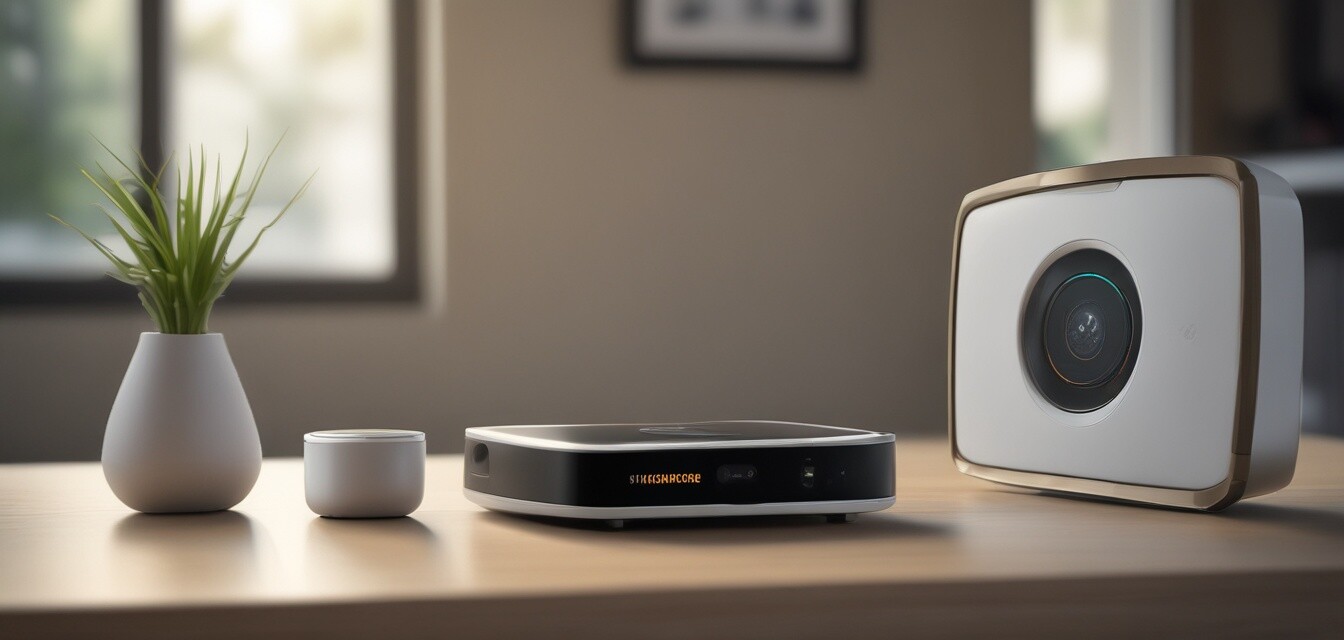
A smart home hub is a device that acts as a central point of connectivity for various smart devices within your home. It allows you to manage, monitor, and control your devices from a single interface, often through an app on your smartphone or a web-based interface. This can include smart light bulbs, thermostats, security cameras, and more.
Types of smart home hubs
| Type | Description | Pros | Cons |
|---|---|---|---|
| Dedicated hubs | Designed specifically for smart home devices. | Robust compatibility, often has its own app. | Limited to specific brands. |
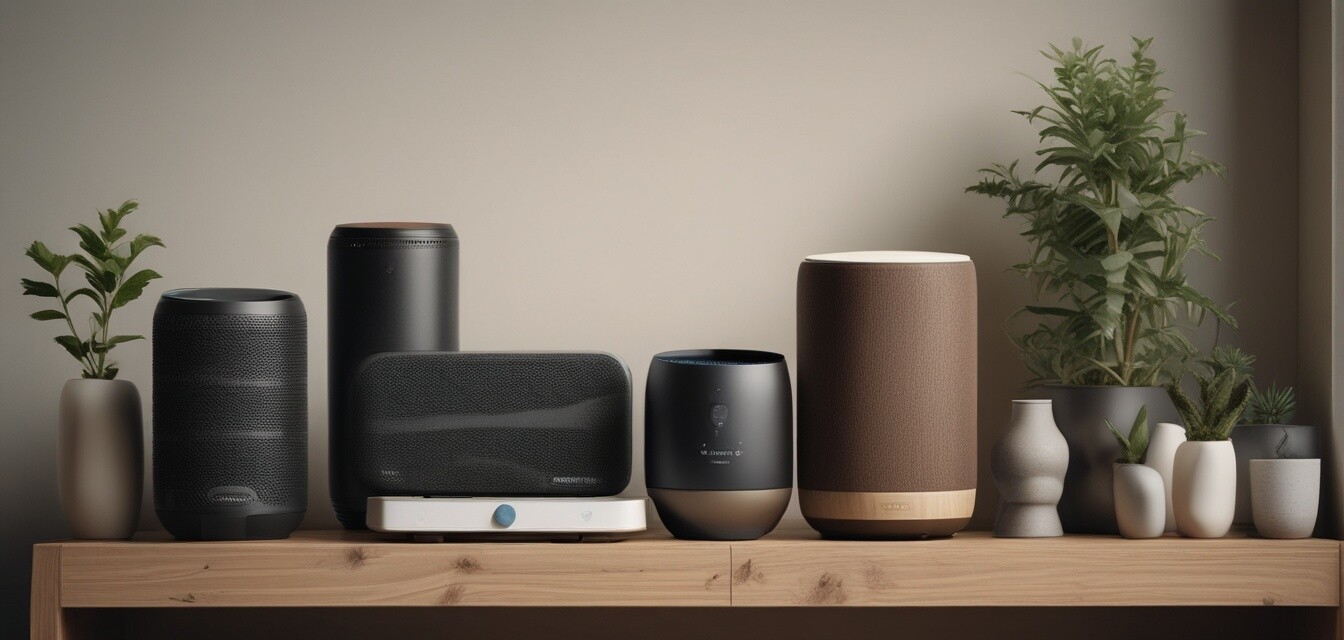
| Smart speakers | Combines a voice assistant with hub functions. | Voice control, integrated streaming services. | May lack extensive compatibility. |
| Software-based hubs | Apps on your phone or computer that act as a hub. | Affordable, flexible integration options. | Dependent on existing hardware. |
How do smart home hubs work?
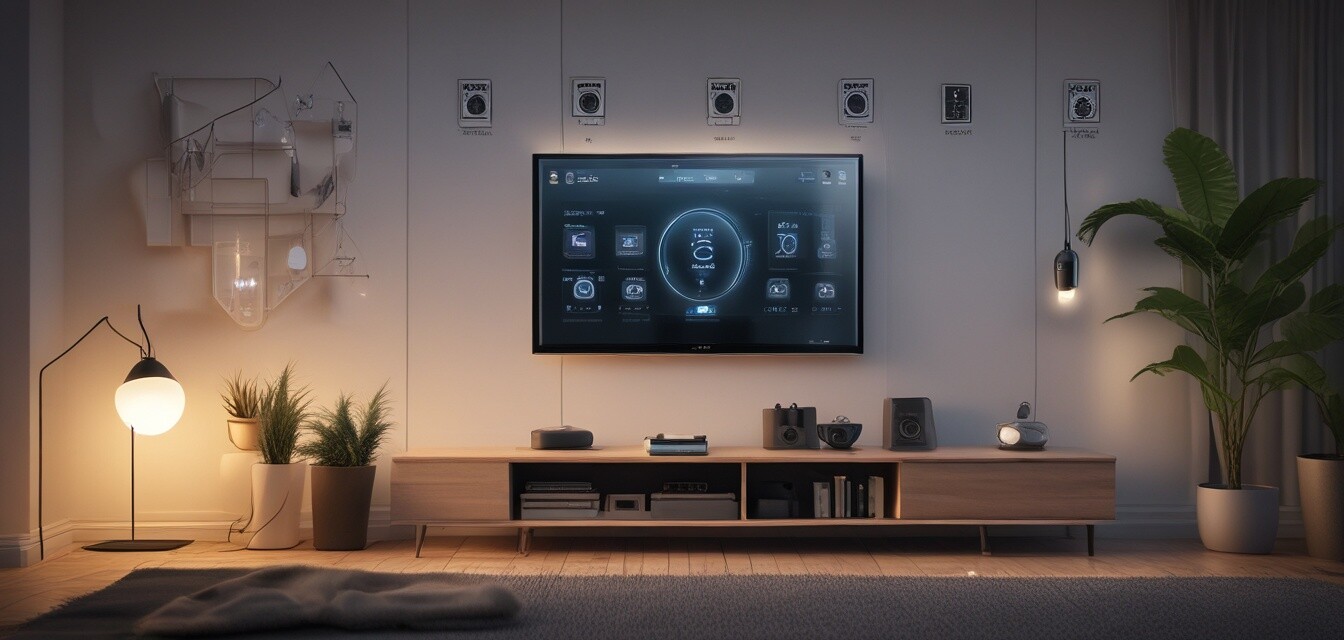
Smart home hubs communicate with connected devices using various protocols, such as Wi-Fi, Zigbee, or Z-Wave. They translate the signals from different devices so that they can work together seamlessly. For example, when you use your smartphone to turn off your lights, the hub sends a command to the smart bulb, and the bulb responds accordingly.
Benefits of using a smart home hub
- Centralized control: Manage all your devices from one app or interface.
- Automation: Set routines and schedules for device functions.
- Enhanced security: Monitor your home through interconnected cameras and alarms.
- Energy efficiency: Track and manage energy consumption effectively.
Popular smart home protocols
Understanding the different communication protocols used by smart devices is key to selecting the right hub. Here are some of the most common protocols:
| Protocol | Description | Range | Device examples |
|---|---|---|---|
| Wi-Fi | Widely used; allows direct connection to internet. | Up to 300 feet | Cameras, smart TVs |
| Zigbee | Low-power, mesh network protocol. | Up to 100 feet | Light bulbs, sensors |
| Z-Wave | Similar to Zigbee but operates on a different frequency. | Up to 300 feet | Locks, switches |
Choosing the right hub for your needs
Selecting the appropriate smart home hub depends on several factors, including:
- Compatibility: Ensure the hub is compatible with the smart devices you own or plan to purchase.
- Features: Consider what features are essential for you, such as voice control, mobile app accessibility, or automation capabilities.
- Budget: Hubs are available at various price points; determine how much you are willing to invest.
- Scalability: If you plan to expand your smart home, choose a hub that can accommodate additional devices easily.

Conclusion
In conclusion, selecting the right smart home hub significantly enhances your home automation experience. From compatibility and features to budget and scalability, understanding your options allows you to make an informed decision easily. With the right hub in place, managing your smart home becomes a smooth and efficient process. Explore our additional resources to learn more about enhancing your smart home capabilities.
Pros
- Easy control of multiple devices
- Interoperability between brand products
- Improved security monitoring
- Energy management capabilities
Cons
- Initial setup may be complex
- Potential compatibility issues
- Limited functionality without internet access
- Cost can add up with multiple devices
Resources and more
To further enhance your understanding of smart home technology, check out these related pages on our site: