Smart Appliance Controllers
Key Takeaways
- Smart appliance controllers enhance the functionality of everyday devices.
- They allow remote access and control of appliances through smartphones or voice commands.
- Integration with other smart home devices can streamline home management.
- Installation is typically user-friendly, requiring minimal technical knowledge.
- Consider compatibility with existing smart home systems before purchasing.
With the rise of smart home technology, smart appliance controllers are becoming essential tools for modern living. These accessories enable you to connect and control various household appliances like ovens, washers, and refrigerators with ease. In this article, we will explore the benefits, features, and types of smart appliance controllers that can enhance your home experience.
What are smart appliance controllers?
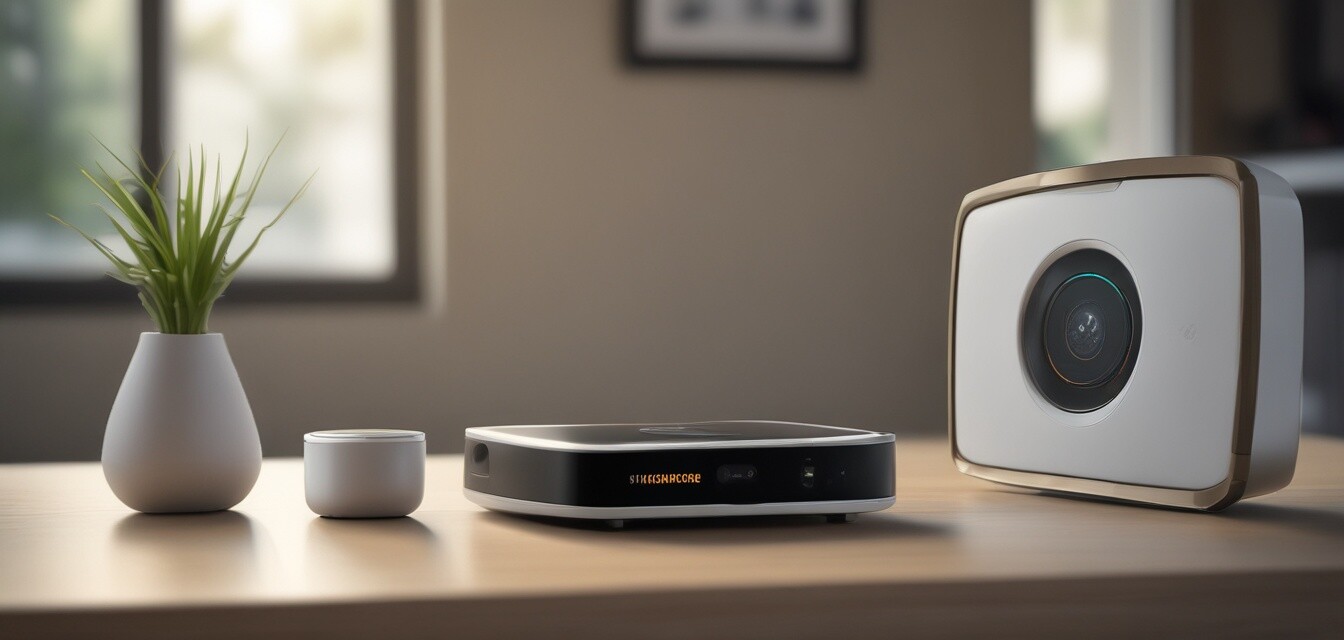
Smart appliance controllers are devices designed to connect traditional appliances to the internet, allowing them to be controlled remotely. They can be managed through smartphone apps or voice assistants like Amazon Alexa or Google Assistant. This technology makes it possible to operate appliances from anywhere, adding convenience and efficiency to daily tasks.
Benefits of using smart appliance controllers
- Remote control: Operate your appliances from anywhere using your smartphone.
- Energy efficiency: Monitor and control energy usage to save on bills.
- Automation: Schedule operations based on your daily routine.
- Integration: Seamlessly connect with other smart home devices.
- Alerts and notifications: Receive updates on appliance status and performance.
Popular types of smart appliance controllers
| Type | Description | Examples |
|---|---|---|
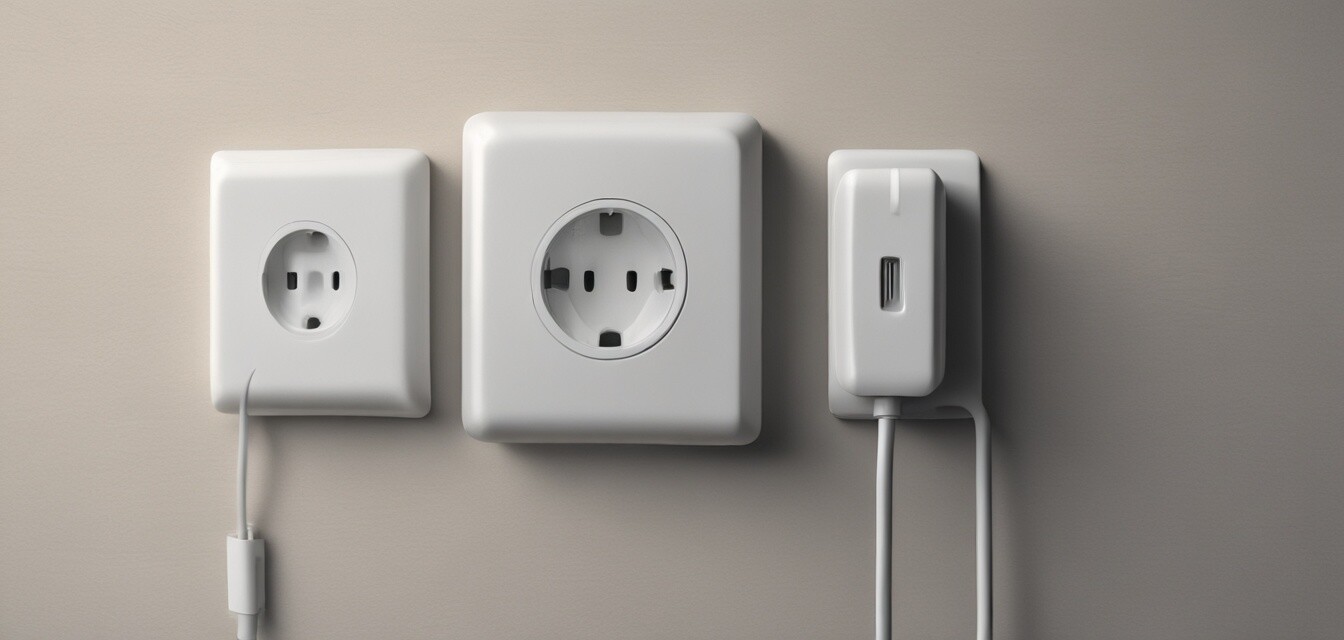
| Smart plugs | Simple devices that allow you to control power to appliances remotely. | TP-Link Kasa Smart Plug, Wemo Mini Smart Plug |
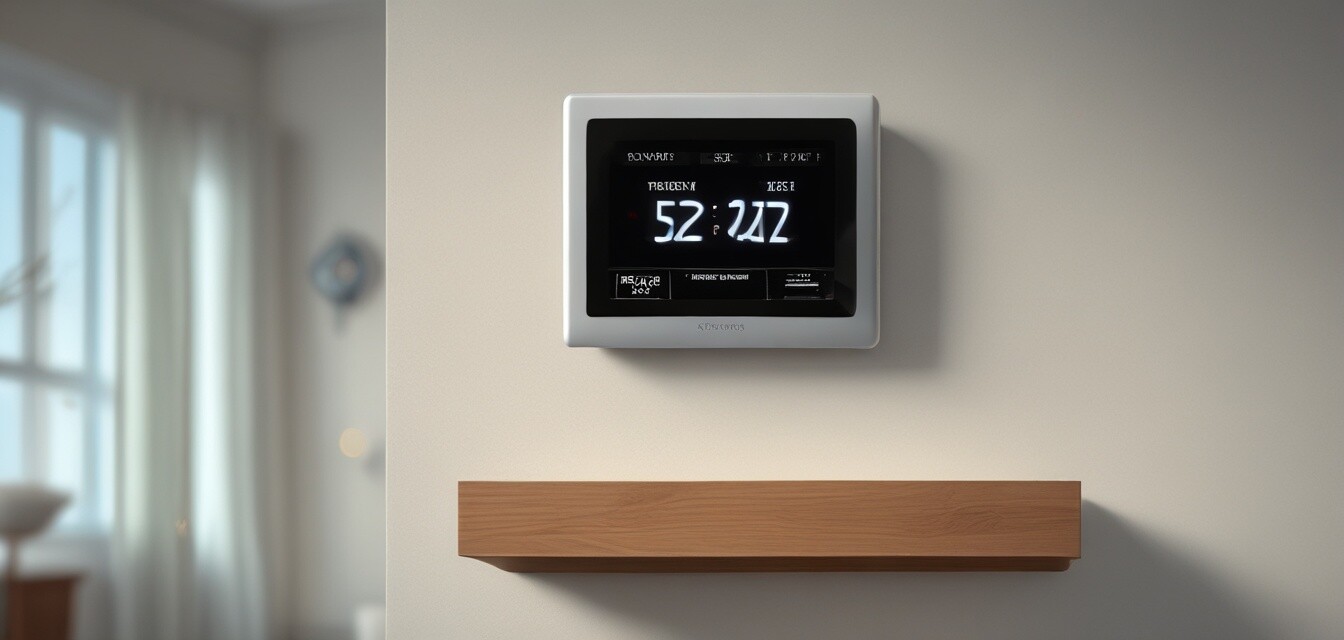
| Smart thermostats | Control heating and cooling systems for optimal energy use. | Nest Learning Thermostat, Ecobee SmartThermostat |
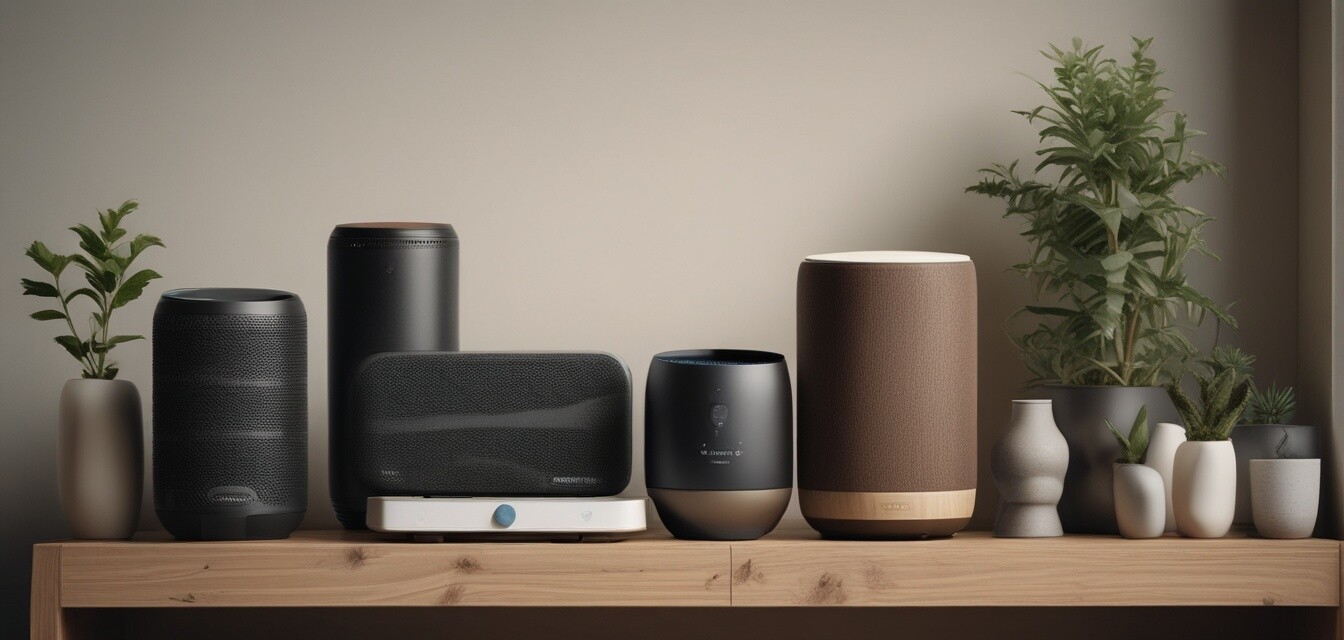
| Smart hubs | Centralized systems that connect multiple devices for easier management. | Samsung SmartThings Hub, Amazon Echo Plus |
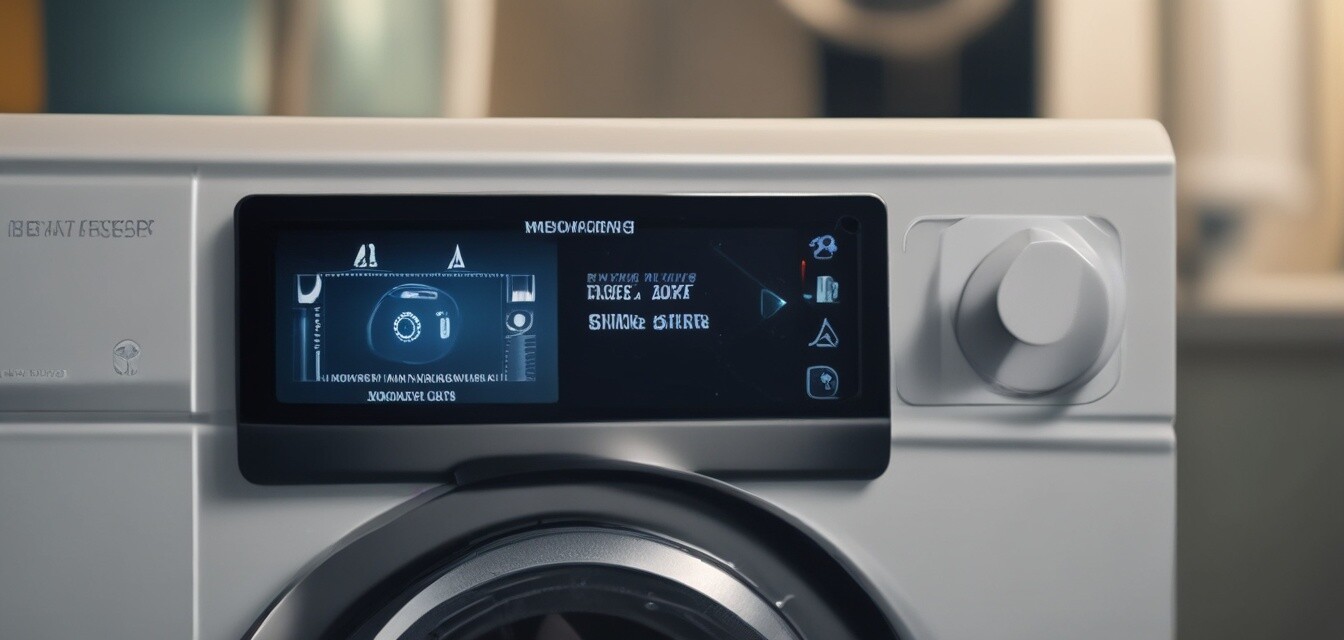
| Smart appliance controllers | Specific devices designed for particular appliances like ovens or washers. | GE Smart Oven Controller, Smart Washer Controller |
How to choose the right smart appliance controller
When selecting a smart appliance controller, consider the following factors:
- Compatibility: Ensure the controller works with your existing appliances and smart home systems.
- Ease of use: Look for user-friendly interfaces and installation procedures.
- Features: Evaluate the features you need, like scheduling, energy monitoring, or voice control.
- Price: Set a budget to find options that fit your financial plans.
- Reviews: Check user reviews and ratings to gauge performance and reliability.
Installation and setup
Installing a smart appliance controller is usually straightforward. Follow these general steps:
- Unbox and inspect the device and its components.
- Connect the controller to your home Wi-Fi network.
- Download the corresponding app on your smartphone.
- Follow the app's instructions to pair the controller with your appliance.
- Test the setup to ensure everything is functioning correctly.
Integration with existing smart home systems
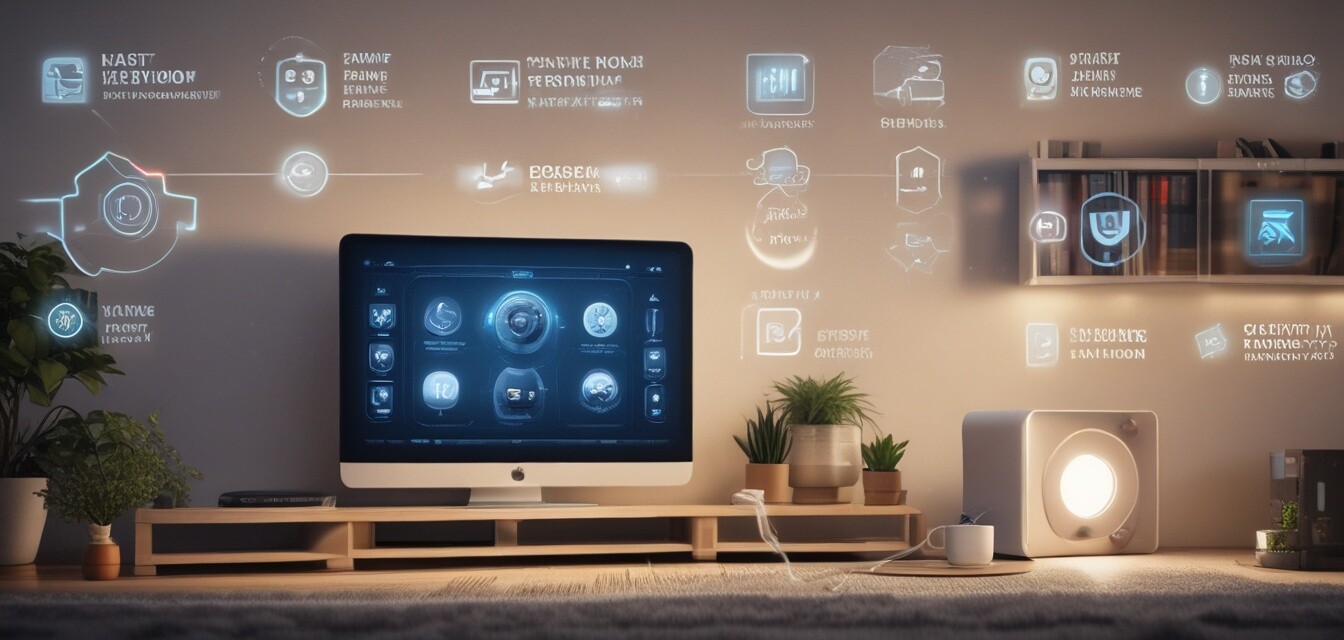
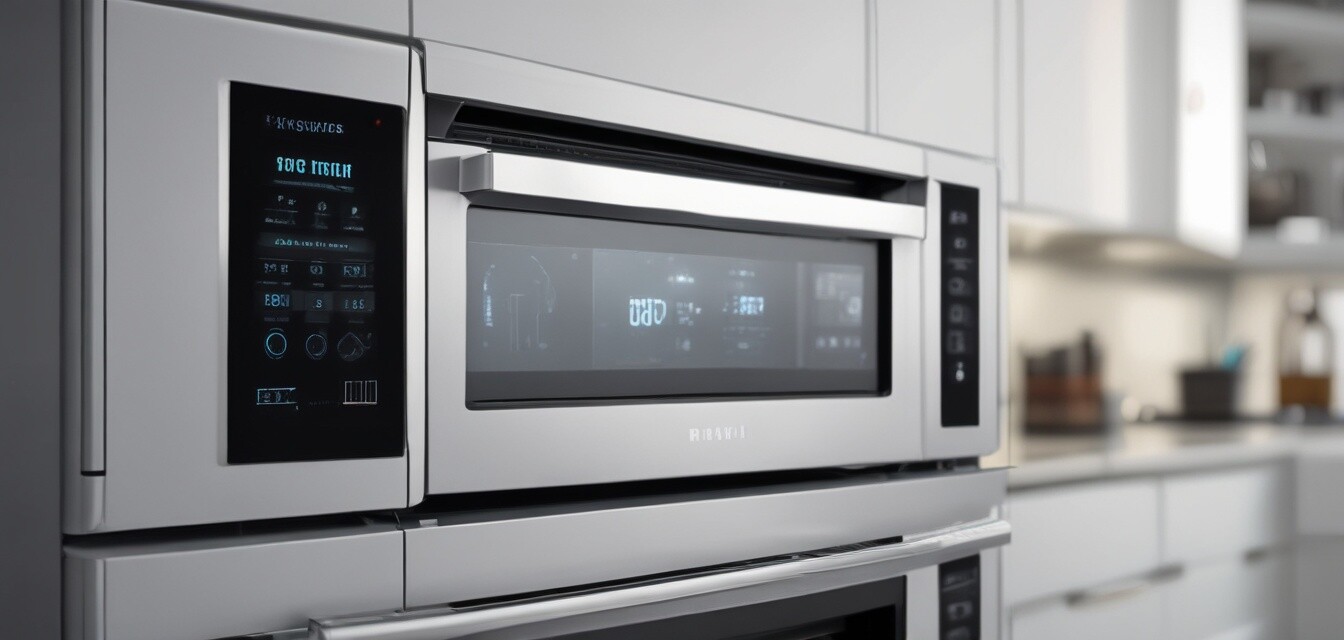
Most smart appliance controllers are designed to integrate with other smart home devices. This allows for greater control and customization. For example, you can set your oven to preheat when your smart thermostat detects that you’re on your way home. Explore our categories for more information on how smart appliance controllers work with various systems:
- Smart speakers & hubs
- Smart thermostats
- Smart lighting systems
- Smart home security
- Smart plugs & outlets
Challenges and considerations
While smart appliance controllers offer many benefits, they also come with challenges:
Pros
- Convenience of remote operation.
- Potential for energy savings.
- Improved control over home appliances.
- Flexibility in scheduling and automation.
Cons
- Initial setup may be complex for some users.
- Dependence on Wi-Fi connection.
- Potential security concerns with connected devices.
- Compatibility issues with older appliances.
Future of smart appliance controllers
The future of smart appliance controllers looks promising as technology advances. With the rise of artificial intelligence and machine learning, these devices will likely become even smarter, making homes more efficient and user-friendly. Expect to see improved integration with other smart devices, enhanced security features, and more intuitive user interfaces.
Conclusion
Smart appliance controllers are an essential part of any modern smart home. They offer convenience, energy efficiency, and enhanced control over your appliances. By choosing the right controller and integrating it with your existing smart home systems, you can create a seamless and efficient living environment.
Tips for beginners
- Start with simple devices like smart plugs before upgrading to more complex controllers.
- Research compatibility with your existing appliances.
- Utilize online forums or user groups for support and tips.
- Keep your firmware updated for the best security and performance.