Smart Security Systems
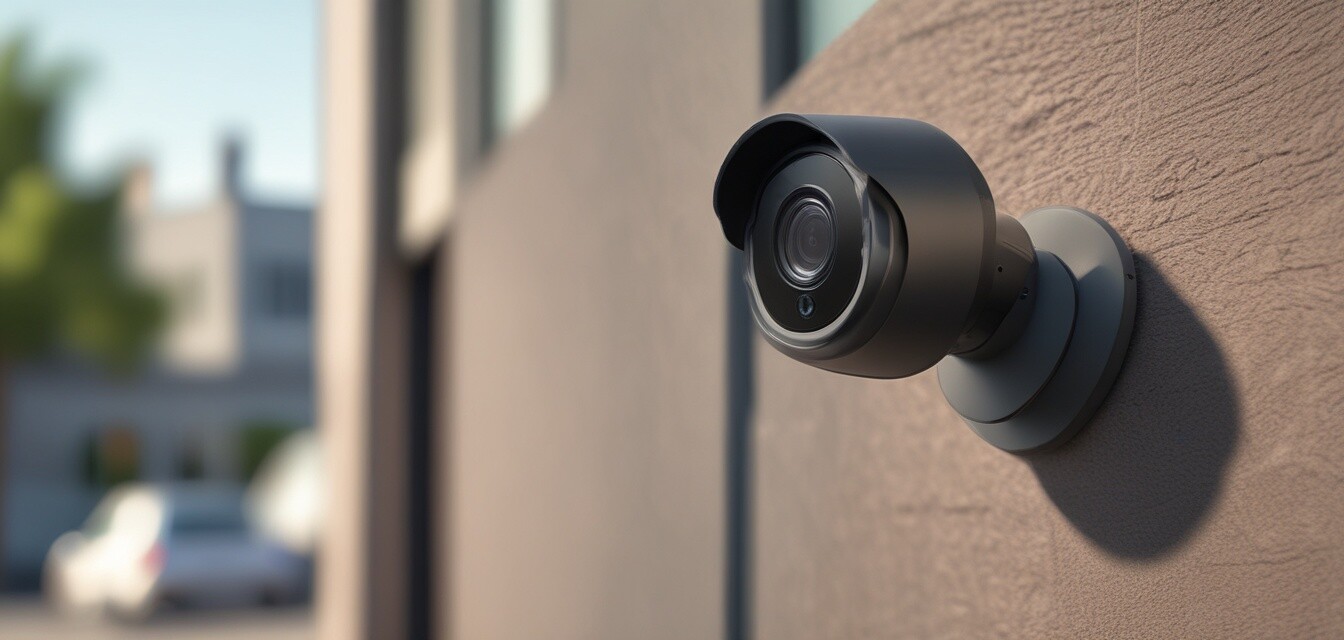
Welcome to RMC Smart Home's comprehensive guide on smart security systems. In this article, we will explore various smart security cameras, doorbells, and sensors that enhance the safety of your home. Understanding these devices and their functionalities is key to creating a secure home environment.
Key Takeaways
- Smart security systems offer real-time monitoring and alerts.
- Integration with smart home devices enhances security functionality.
- Choosing the right system depends on your specific security needs.
- Regular updates and maintenance are vital for optimal performance.
What are smart security systems?
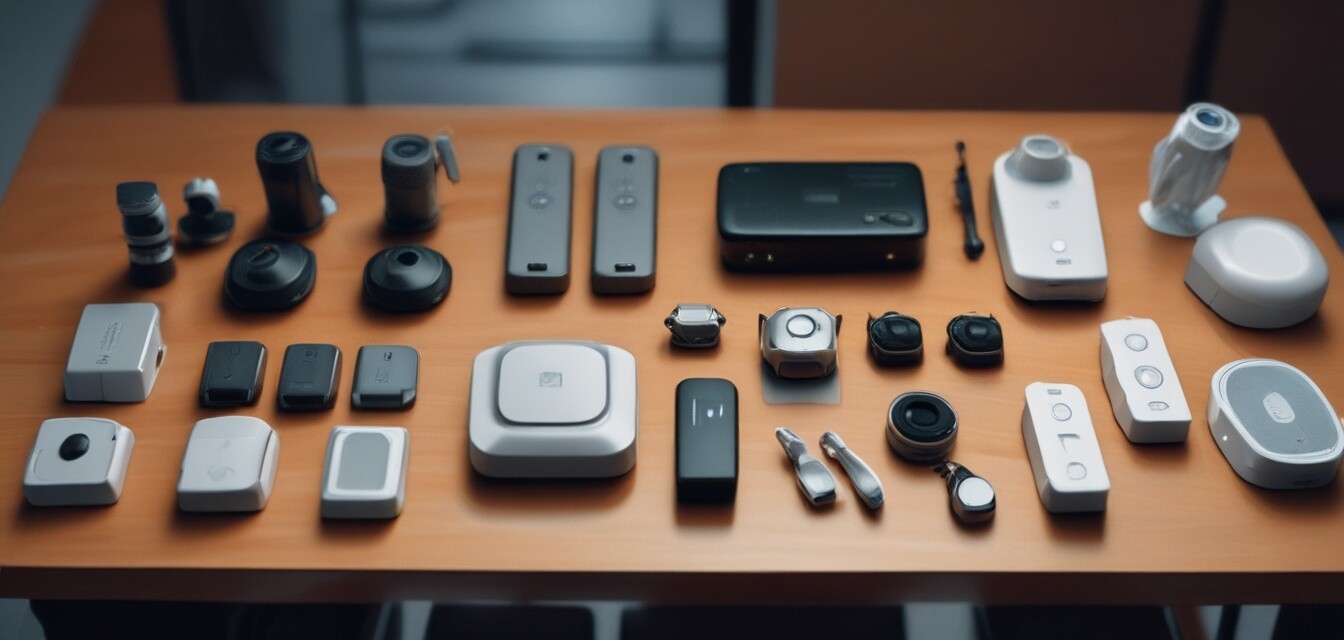
Smart security systems are electronic devices connected to the internet that provide enhanced monitoring and protection for your home. They typically include a combination of cameras, sensors, and alarms that can be monitored and controlled remotely via a smartphone or tablet.
Types of smart security devices
| Device Type | Description | Key Features |
|---|---|---|
| Smart Cameras | Cameras that provide video surveillance for your home. | HD video, night vision, motion detection |
| Smart Doorbells | Doorbells with built-in cameras for monitoring visitors. | Two-way audio, motion alerts, video recording |
| Smart Sensors | Sensors placed on doors and windows to detect unauthorized entry. | Instant alerts, integration with alarms |
Benefits of smart security systems
- Real-time monitoring: Access live video feeds from anywhere.
- Enhanced security: Receive alerts for suspicious activity.
- Remote access: Control devices and settings remotely.
- Integration: Work in conjunction with other smart home devices.
How to choose the right smart security system
When selecting a smart security system, consider the following factors:
- Coverage area: Assess the size of your property and where you need coverage.
- Features: Determine which features are essential for your security needs.
- Budget: Set a budget that allows for quality devices without overspending.
- Compatibility: Ensure the system is compatible with your existing smart home devices.
Installation and setup
Installing a smart security system can vary based on the type of devices you choose. Here are some general steps to follow:
- Choose locations for cameras, doorbells, and sensors.
- Follow the manufacturer's instructions for installation.
- Connect devices to your Wi-Fi network.
- Download the corresponding app to manage your devices.
Comparison of popular smart security devices
| Device | Price Range | Features | Rating |
|---|---|---|---|
| Smart Camera A | $100 - $150 | 1080p HD, night vision, motion alerts | 4.5/5 |
| Smart Doorbell B | $80 - $120 | Two-way audio, cloud storage, motion detection | 4.7/5 |
| Smart Sensor C | $30 - $50 | Instant alerts, compatibility with alarms | 4.3/5 |
Maintaining your smart security system
To ensure your smart security system remains effective, consider these maintenance tips:
- Regularly check device functionality and battery levels.
- Update firmware and software to the latest versions.
- Review and adjust camera angles and sensor positions as needed.
- Test the system periodically to ensure it is operational.
Future of smart security systems
The future of smart security systems looks promising with advancements in technology. Here are some trends to watch:
- AI Integration: Enhanced analytics for better threat detection.
- Home Automation: Seamless integration with other smart home devices.
- Cloud Storage: More options for storing and accessing video footage.
Conclusion
Smart security systems are essential for modern home safety. By investing in the right devices and properly maintaining them, you can significantly enhance your home's security. Explore our other categories for more information on related smart home products:
- Smart Appliance Controllers
- Smart Lighting Systems
- Smart Plugs & Outlets
- Smart Speakers & Hubs
- Smart Thermostats
Pros
- Improved home safety and security.
- Remote access to monitoring and alerts.
- Easy installation and setup.
- Integration with other smart devices.
Cons
- Possible privacy concerns with cameras.
- Dependence on internet connectivity.
- Initial investment costs can be high.